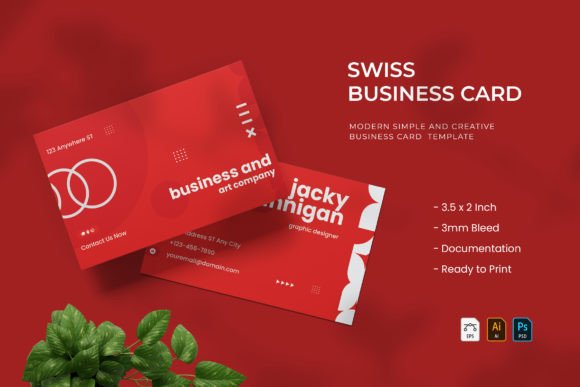
Swiss - Business Card: A Modern Approach to Professional Identity
In the rapidly evolving landscape of professional networking, first impressions are not just important; they are critical. The physical exchange of contact information may seem like a relic of the past in an era dominated by digital LinkedIn connections and QR codes, yet the tangible business card remains a powerful tool for establishing credibility and leaving a lasting mark. Among the various design trends that have emerged, the Swiss - Business Card concept stands out as a pinnacle of minimalist elegance and functional clarity. This article explores what makes this design style so effective, how it can be utilized, and why its modern aesthetic continues to resonate with professionals across diverse industries.
The Essence of Swiss Design in Corporate Identity
To understand the appeal of the Swiss - Business Card, one must first appreciate the broader principles of Swiss graphic design. Originating in the mid-20th century, this movement is characterized by cleanliness, readability, and objectivity. It relies heavily on grid systems, sans-serif typography, and ample white space to create a sense of order and sophistication. When applied to a business card, these principles translate into a design that is uncluttered, easy to read, and visually striking without being loud.
A modern concept business card featuring this aesthetic does more than just display contact details; it communicates values. It suggests that the holder values precision, clarity, and efficiency. For creative directors, architects, developers, and consultants, adopting a Swiss - Business Card layout signals a commitment to high standards and attention to detail. It is a subtle yet potent way to align your personal brand with the universal language of good design.
Why Modern Concept Cards Impress Potential Clients
Having a modern idea and a creative layout on your business cards will make a good impression because it breaks the monotony of traditional, cluttered designs. In a stack of ten generic cards, the one that employs negative space effectively and uses a restrained color palette often catches the eye first. The Swiss - Business Card leverages this psychological effect by prioritizing content hierarchy. Instead of cramming every possible piece of information onto the front, it allows key data—such as name, title, and primary contact method—to breathe.
This approach respects the recipient’s cognitive load. People are busy, and they scan materials quickly. A clean, well-organized layout ensures that the most important information is absorbed instantly. Furthermore, the tactile experience of a high-quality card printed with crisp, minimal ink enhances the perceived value of the service or product being offered. It transforms a simple piece of paper into a keepsake rather than disposable trash.
Key Features and Technical Specifications
For designers and business owners looking to implement this style, accessibility and ease of use are paramount. The ideal template for such a project should be fully editable, allowing for quick customization without requiring advanced technical skills from the end user. Below are the core features that define a high-quality Swiss - Business Card template:
- Multi-Format Compatibility: High-quality templates typically include AI (Adobe Illustrator), EPS (Encapsulated PostScript), and PSD (Photoshop) files. This versatility ensures that whether you are working with vector graphics for scalable logos or raster images for backgrounds, you have the right tool for the job.
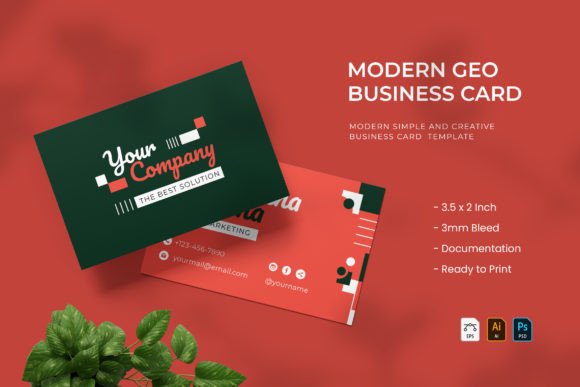
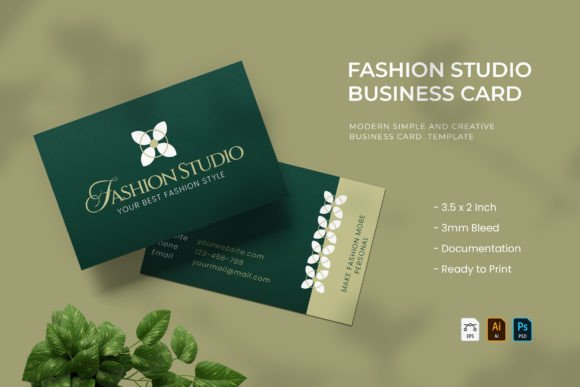
- Standardized Dimensions: The size is usually set to 3.5 x 2 inches, which is the standard business card dimension in North America and widely accepted globally. Adhering to these dimensions ensures compatibility with standard card holders and printing processes.
- Well-Organized Layers: One of the most critical aspects of a usable template is its layer organization. Complex designs can become nightmares to edit if layers are tangled. A professionally crafted file will have clearly named groups for text, background, and graphical elements, making modifications intuitive and error-free.
- Print-Ready Resolution: To ensure sharp output, the file resolution should be CMYK at 300 DPI. RGB colors, used for screens, often shift when printed, leading to dull or inaccurate colors. CMYK mode guarantees that the blacks are deep and the whites remain stark, preserving the integrity of the Swiss aesthetic.
- Free Font Usage: Licensing issues can plague designers who use premium fonts without proper attribution. Templates that utilize free fonts or include a readme file detailing font usage rights provide peace of mind and legal safety for the end user.
Practical Applications and Target Audience
While the Swiss - Business Card is versatile, it finds particular resonance among specific professional groups. Its strength lies in its neutrality; it does not compete with the work itself but rather frames it.
For Creative Professionals
Graphic designers, photographers, and artists benefit from this format because it acts as a canvas. The minimalism allows their portfolio link or logo to take center stage. It demonstrates an understanding of current design trends and shows that the creator knows how to strip away the unnecessary to highlight the essential.
For Corporate and Tech Sectors
In the tech industry, where innovation and speed are prized, a clean, efficient card reflects the company culture. Software engineers, product managers, and startup founders often prefer this style because it mirrors the clean code and user interfaces they strive to build. It conveys a no-nonsense, results-oriented attitude.
For Consultants and Freelancers
Freelancers need to establish trust quickly. A polished, professional-looking card reassures potential clients that the freelancer is organized and reliable. The modifiable nature of these templates allows freelancers to update their services or contact info easily, ensuring the card remains relevant over time.
Evaluating Suitability for Your Needs
Before committing to a Swiss - Business Card design, it is important to consider your specific branding needs. This style thrives on simplicity. If your brand identity is chaotic, colorful, or highly ornate, a minimalist Swiss design might clash with your overall visual strategy. However, if you aim to convey stability, luxury, or modernity, this approach is nearly unmatched.
Additionally, consider the printing medium. Swiss design relies heavily on contrast. Printing on plain white stock yields the classic look, but experimenting with textured papers or spot UV coatings on the typography can add a layer of sophistication without breaking the minimalist rules. The "readme" and documentation included with professional templates often provide guidance on these finishing touches, helping users achieve a premium result.
Conclusion
The Swiss - Business Card is more than just a template; it is a strategic communication tool. By combining modern concepts with fresh, clean designs, it offers a reliable way to impress potential clients and colleagues alike. Its flexibility, supported by comprehensive file formats like AI, EPS, and PSD, makes it accessible to both seasoned designers and those new to customizing their professional materials. In a world saturated with noise, clarity is a superpower. Choosing a design that prioritizes readability and elegance ensures that your message is not only heard but remembered.
Whether used as a primary corporate identification piece or a promotional item for special events, the Swiss-inspired business card remains a timeless choice. It invites interaction, encourages retention, and ultimately, serves as a bridge between your professional identity and the opportunities ahead. By selecting a well-organized, high-resolution template, you invest in a asset that works hard for your brand, day after day.