Modern Type - ID Card: A Fresh Approach to Professional Identity
In today’s fast-paced professional landscape, first impressions are often formed in a matter of seconds. Whether you are meeting a potential client at a networking event, introducing yourself to a new team member, or handing out materials at a trade show, the physical representation of your identity plays a crucial role in establishing credibility and trust. This is where a well-designed Type - ID Card becomes more than just a piece of plastic or paper; it transforms into a strategic marketing tool that reflects your brand’s personality and attention to detail.
The concept of an ID card has evolved significantly over the past decade. It is no longer sufficient to simply print a name and a title on a generic template. Modern professionals, entrepreneurs, and creatives require designs that stand out. A modern idea combined with a creative layout on your ID cards ensures that you leave a lasting impression on anyone who sees them. This article explores how utilizing a customizable, high-quality ID card template can enhance your professional presence and streamline your workflow.
Why Design Matters in Professional Identification
When you hand someone your ID card, you are essentially handing them a miniature billboard for your personal or corporate brand. If the design is cluttered, outdated, or difficult to read, it can inadvertently signal a lack of professionalism. Conversely, a clean, modern aesthetic communicates competence, clarity, and forward-thinking values. The Type - ID Card template addresses this need by offering a fresh design that is both visually appealing and functionally effective.
For freelancers, marketers, and business owners, differentiation is key. In a crowded market, having a unique visual identity helps you remain memorable. A modifiable design allows you to inject your specific brand colors, fonts, and imagery without starting from scratch. This ease of comprehension means that even those with limited graphic design experience can produce results that look professionally crafted. By putting in some text and adjusting the layout to fit your needs, the card will be ready to go, saving you time while ensuring high-quality output.
Key Features and Technical Specifications
One of the most significant advantages of using a digital template like the Type - ID Card is the level of control it offers over the final product. Unlike pre-printed cards that require bulk ordering and long lead times, a digital file allows for instant updates. If your job title changes or your contact information shifts, you can edit the file and reprint only what is necessary. This flexibility is invaluable for small businesses and solo practitioners who need to maintain accuracy without incurring high costs.
The technical specifications of this item are designed to meet industry standards for print production. The inclusion of AI, EPS, and PSD files ensures compatibility with a wide range of design software, from Adobe Illustrator and Photoshop to CorelDRAW. This multi-format support makes the template accessible to various types of users, whether they are seasoned designers or hobbyists looking to create custom promotional items.
- Fully Editable and Easy to Customize: Every element, from background colors to typography, can be modified to suit your specific branding guidelines.
- Well-Organized Layers: The files are structured logically, making it easy to locate and edit specific components without disrupting the overall design.
- CMYK Color Mode: Pre-set to CMYK, ensuring that the colors you see on screen translate accurately to printed materials.
- 300 DPI Resolution: High resolution guarantees sharp text and crisp images, preventing pixelation when printed at standard sizes.
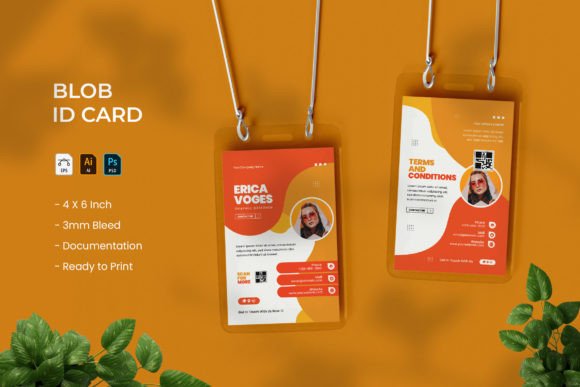
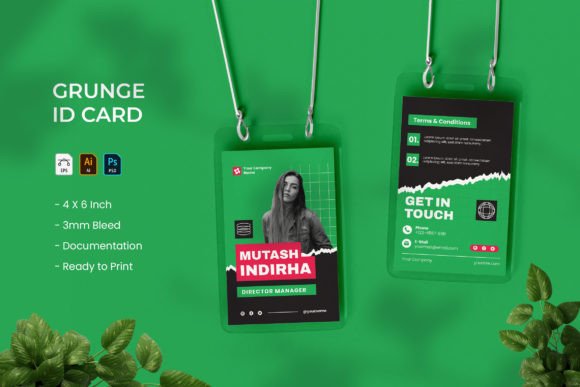
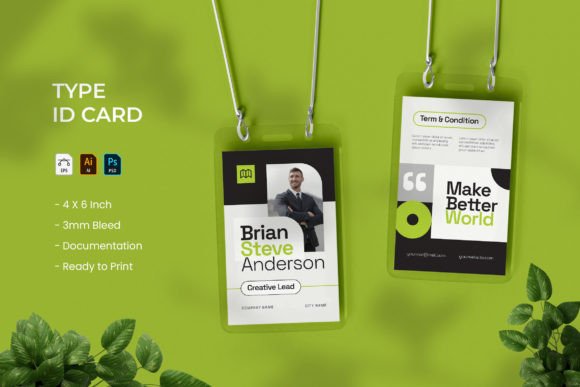
- Size 4 x 6 Inches: While slightly larger than a traditional credit-card-sized business card, this format provides ample space for detailed information and visual impact, making it ideal for display purposes or as a premium identification piece.
Practical Applications Across Industries
The versatility of the Type - ID Card makes it suitable for a variety of environments. For corporate settings, it serves as an excellent employee identification piece. HR departments can use these templates to create uniform yet stylish badges that foster a sense of belonging and professionalism among staff members. The ability to include photos, department names, and access levels (if integrated with security systems) makes it a functional tool beyond mere aesthetics.
For educators and bloggers, this ID card can double as a portfolio teaser or a conference badge. Imagine attending a seminar or workshop; instead of a generic lanyard, you wear a card that showcases your latest project or publication. This subtle form of self-promotion can spark conversations and open doors to collaboration. Similarly, creators and artists can use the large canvas provided by the 4x6 inch size to display a QR code linking to their online gallery or website, bridging the gap between physical interaction and digital engagement.
Marketers and publishers may find value in using these cards as promotional items. Because of their substantial size and high-quality finish, they are less likely to be discarded immediately compared to standard business cards. They can serve as coasters, desk organizers, or framed displays in a client’s office, keeping your brand top-of-mind over a longer period.
Usability and User Experience Considerations
When evaluating any design asset, usability is paramount. The Type - ID Card template includes a "Read Me" documentation file, which guides users through the setup process. This is particularly helpful for those who may not be familiar with vector editing software. The use of free fonts further reduces barriers to entry, eliminating the need to purchase additional licenses for typography. However, it is important to note that while the design elements are included, the actual images used in the preview are not part of the download. Users must supply their own high-resolution photographs and graphics to complete the design.
From a user experience perspective, the modifiable nature of the card enhances efficiency. Professionals spend a significant amount of time on administrative tasks; streamlining the creation of identity materials allows them to focus more on core business activities. The ready-to-print format means that once the customization is complete, the file can be sent directly to a printer without further adjustments, reducing the risk of errors and reprints.
Selecting the Right Template for Your Needs
Not all ID card templates are created equal. When selecting a design, consider the following factors to ensure it aligns with your goals:
- Brand Consistency: Ensure the template’s style matches your existing brand identity. Does it feel too casual for a law firm? Too rigid for a creative agency? The right balance is essential.
- Print Quality: Always verify the resolution and color mode before sending files to print. The 300 DPI and CMYK specifications of this template address these concerns proactively.
- Customization Ease: Look for organized layers and clear instructions. A chaotic file structure can lead to frustration and subpar results.
- Scalability: Vector formats like AI and EPS allow you to scale the design up or down without losing quality, which is useful if you plan to use the same design for other materials, such as posters or banners.
Ultimately, the goal of using a Type - ID Card is to facilitate better communication and stronger connections. In a world where digital interactions dominate, tangible items that convey thoughtfulness and professionalism can make a significant difference. By investing in a high-quality, customizable ID card template, you are not just buying a design; you are investing in your professional image. Whether you are a seasoned executive or a budding entrepreneur, presenting yourself with clarity and style is always a smart move. Take the time to customize your card, choose the right printing material, and carry it with pride. It is a small item, but its impact on your professional journey can be substantial.