The Art of Monochrome: Mastering Black-and-White Permanent Makeup with Es Mus and Klein Se Techniques
In the evolving landscape of cosmetic enhancement, black-and-white permanent makeup has emerged as a sophisticated alternative to traditional color-tinted procedures. While many associate permanent makeup (PMU) with soft browns or warm reds, the stark contrast of pure black and white offers a unique aesthetic that bridges the gap between modern art and facial architecture. This guide explores two distinct yet complementary approaches within this niche: the structural precision often associated with Es Mus methodologies and the bold, high-contrast impact of Klein Se styles.
Understanding the Basics of Monochrome PMU
Permanent makeup, also known as micropigmentation or cosmetic tattooing, involves implanting pigment into the dermal layer of the skin. Unlike traditional tattoos which are designed for artistic expression on various body parts, PMU is specifically tailored to enhance facial features such as eyebrows, eyeliner, and lips.
When we speak of black-and-white permanent makeup, we are referring to a technique that relies heavily on shading, depth, and contrast rather than chromatic hues. This approach is particularly significant for individuals who:
- Have sensitive skin that reacts poorly to colored pigments.
- Prefer a natural, "no-makeup" makeup look that defines features without appearing artificial.
- Are looking to correct asymmetry through optical illusions created by light and dark contrasts.
- Want a timeless aesthetic that does not go out of fashion with changing color trends.
The significance of using only black (or very dark brown) and white (often achieved through highlighting or leaving skin bare) lies in its versatility. It creates a graphic, clean appearance that can be both subtle and striking depending on the application.
Exploring the Es Mus Approach: Structure and Precision
The term Es Mus in the context of permanent makeup often refers to a specific methodology focused on structural integrity and hair-like precision. While terminology can vary across different studios and regions, the core philosophy behind this style emphasizes anatomical accuracy and natural flow.
The Philosophy of Natural Enhancement
In an Es Mus-inspired design, the goal is rarely to create a solid block of color. Instead, the artist uses fine lines and delicate shading to mimic the natural growth pattern of hair or the subtle shadow of an eyelid. For eyebrows, this means creating individual strokes that blend seamlessly with existing hair. For eyeliner, it might mean a thin, precise line that enhances the eye shape without overwhelming it.
This approach is particularly relevant in modern beauty standards, which favor enhanced naturalism over heavy, drawn-on looks. By sticking to monochrome palettes, the Es Mus technique ensures that the results age gracefully. Since black pigment tends to heal cooler and sharper than warm tones, maintaining a strict black-and-white palette prevents unwanted orange or blue shifts that can occur with colored pigments over time.
Practical Applications
Consider a client seeking eyebrow restoration due to alopecia or over-plucking. An Es Mus practitioner would use a machine or hand tool to implant black pigment in fine, feathery strokes. The result is not just "filled-in" brows, but a reconstruction of the brow's natural architecture. This level of detail requires a high degree of skill and an understanding of facial symmetry.
The Impact of Klein Se: Boldness and Graphic Contrast
In contrast to the subtlety of the Es Mus style, the Klein Se designation often evokes a sense of boldness, clarity, and graphic design influence. Drawing inspiration from the world of visual arts—specifically the concept of primary colors and high contrast—this style treats the face as a canvas for striking, defined features.
Defining Features with High Contrast
The Klein Se approach leverages the power of black to create definition and white (or negative space) to create emphasis. In permanent makeup, this might manifest as:
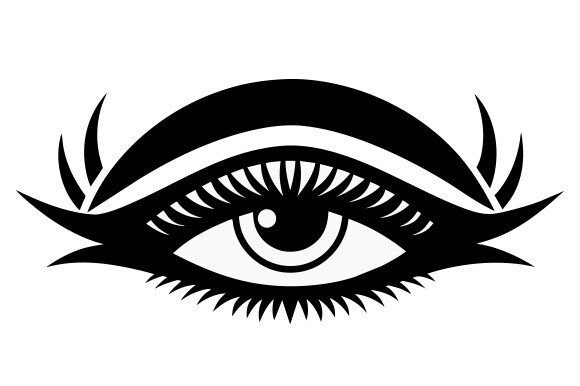
- Graphic Eyeliner: A sharp, winged liner that mimics the precision of liquid liner but lasts indefinitely. The contrast against the white of the eye and the surrounding skin creates a piercing effect.
- Contoured Lips: Using black or dark grey for lip lining to define the cupid’s bow and outer corners, while keeping the center lighter or natural. This creates a 3D effect without the need for daily lipstick application.
- Brow Lamination Effects: Instead of filling in sparse areas, the artist focuses on defining the top edge of the brow with a crisp black line, allowing the skin tone (white) to serve as the background. This creates a lifted, open-eye appearance.
This style is highly popular among younger demographics and those with a more edgy or modern fashion sense. It aligns well with current social media aesthetics where high-contrast images perform exceptionally well. However, it requires careful consultation, as the permanence of the black pigment means the look must be one the client is comfortable living with long-term.
Why Choose Black and White? Benefits Over Colored PMU
Choosing a monochrome palette for your permanent makeup offers several practical advantages that extend beyond mere aesthetics.
1. Timelessness and Versatility
Color trends change rapidly. What is fashionable today may look dated in five years. Black and white, however, are classic. They do not fade into unnatural shades like pink or green as quickly as some cool-toned or warm-toned pigments do. A well-executed black-and-white PMU treatment remains stylish regardless of current trends.
2. Easier Correction and Touch-ups
If a client wishes to change their look in the future, removing or correcting black pigment can sometimes be more predictable than removing complex multi-colored blends. Furthermore, because the contrast is high, minor touch-ups can refresh the look significantly without needing a complete redo.
3. Suitability for All Skin Tones
While certain colors can clash with specific skin undertones, black and white are universally adaptable. On fair skin, black provides strong definition. On deeper skin tones, black can be softened to charcoal or slate grey to ensure it complements rather than competes with the natural melanin. The "white" aspect is always provided by the skin itself, ensuring harmony.
Technical Considerations and Aftercare
Regardless of whether you choose the structural Es Mus style or the bold Klein Se look, the technical execution is paramount. Both styles require artists who are proficient in handling single-color pigments to avoid contamination and ensure consistent depth.
Pigment Quality Matters
Not all black pigments are created equal. Some contain iron oxides that can oxidize over time, turning reddish or orange. High-quality, carbon-based black pigments are preferred for permanent makeup as they retain their true color longer. When consulting with a provider, ask about the brand and type of pigment used.
The Healing Process
Monochrome PMU goes through a distinct healing process. Initially, the pigment will appear darker and sharper than the final result. As the skin heals over 4-6 weeks, the color settles and softens. In the case of Klein Se styles, this softening is crucial; what starts as a harsh black line will mature into a softer, smokier definition that looks natural.
Conclusion: Finding Your Perfect Monochrome Look
Whether you are drawn to the meticulous, hair-stroke realism of the Es Mus technique or the striking, graphic clarity of the Klein Se style, black-and-white permanent makeup offers a powerful way to enhance your natural beauty. It is a testament to the fact that sometimes, less is more, and the absence of color allows for the presence of perfect form.
As you consider this procedure, remember that the best results come from a thorough consultation with a certified professional. Discuss your lifestyle, aesthetic preferences, and skin type to determine which monochrome approach suits you best. With proper care and expert application, your black-and-white permanent makeup can become a seamless, confident part of your daily routine.
Frequently Asked Questions
Does black permanent makeup hurt?
Pain tolerance varies, but most clients report mild discomfort similar to plucking eyebrows. Numbing creams are typically applied before the procedure to minimize sensation.
How long does black-and-white PMU last?
On average, permanent makeup lasts between 1 to 3 years before requiring a touch-up. Factors such as sun exposure, skincare products, and skin type can affect longevity.
Can I change my mind later?
Yes. If you decide you want color or a different style, laser removal services are available to lighten the pigment before starting a new design.