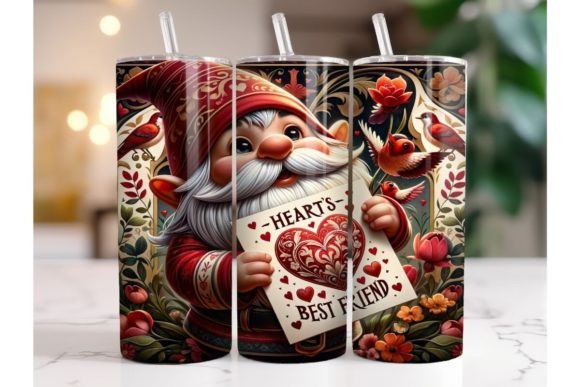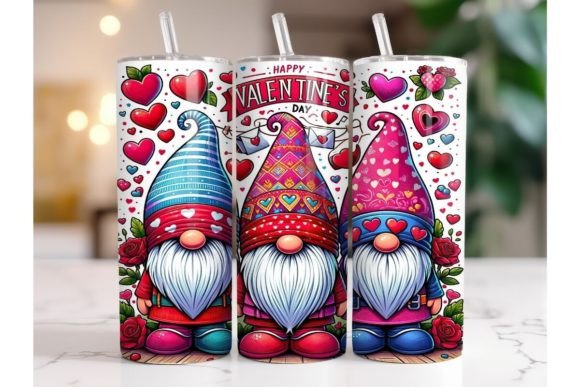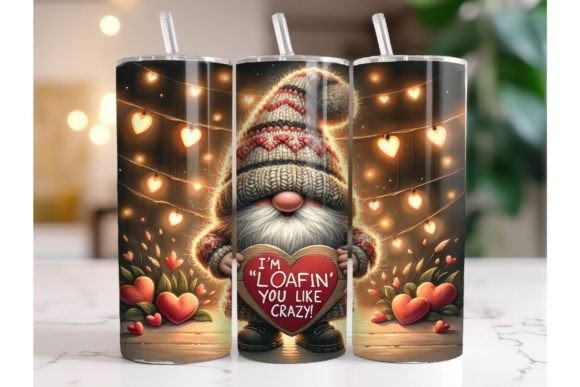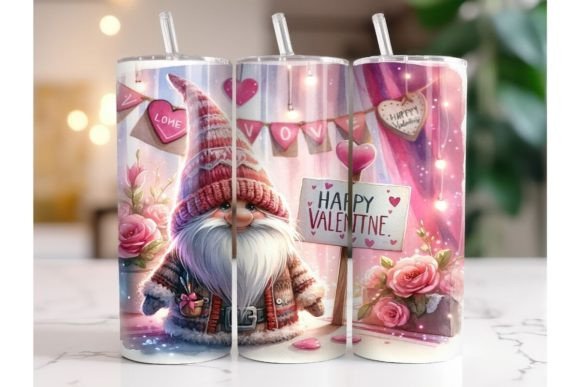
Happy Valentine Gnome Tumbler Wrap
Valentine’s Day is approaching, and for many crafters, small business owners, and DIY enthusiasts, the pressure to create unique, high-quality gifts or products is mounting. You have likely stumbled upon a digital asset described as a Happy Valentine Gnome Tumbler Wrap. It sounds perfect: adorable, thematic, and ready to transform a plain stainless steel tumbler into a festive keepsake. However, purchasing or downloading a digital design file is not merely about grabbing an image and hitting print. There are significant technical nuances and practical considerations that can make or break your final product. Understanding these details ensures you avoid costly mistakes, wasted materials, and frustrating application errors.
Understanding the Digital Asset Format
When you see a listing that promises "♥ You will receive 2 PNG File ♥ – Straight 9.3” x 8.2” PNG File – Tapered 9.3” x 8.2” PNG File," it is crucial to understand what those specifications actually mean for your workflow. A PNG (Portable Network Graphics) file is a raster image format, which means it is composed of pixels. Unlike vector files (such as SVG or AI), raster images do not scale infinitely without losing quality. This distinction is vital for anyone planning to use this design beyond its intended scope.
The inclusion of both "Straight" and "Tapered" versions indicates that the designer has accounted for the physical geometry of standard tumblers. Most insulated drinkware tapers from top to bottom. If you apply a straight wrap design to a tapered cup, the edges will bunch up or gap open, ruining the visual alignment. Conversely, using a tapered design on a straight-sided mug might result in distortion at the rim. Always verify the dimensions of your specific blank before applying the file. The 9.3” by 8.2” measurement is a common industry standard, but variations exist between manufacturers like RTIC, Yeti, or generic brands. Mismatching the template to the physical object is the most common error beginners make.
The Importance of Resolution and DPI
The listing specifies "300 DPI High resolution." In the world of digital printing, especially sublimation, DPI (Dots Per Inch) is non-negotiable. 300 DPI is the gold standard for crisp, clear prints. If you were to download a low-resolution version (typically 72 DPI) intended only for screen viewing, your printed wrap would appear pixelated, blurry, or blocky when scaled up to fill the surface area of a tumbler.
However, high resolution alone does not guarantee success. You must also ensure your printer and sublimation paper are calibrated correctly. Even with a perfect 300 DPI file, incorrect heat press temperatures or insufficient time can lead to dull colors or incomplete transfers. Always perform a test print on scrap paper before committing your expensive sublimation blanks and specialty ink.
Beyond the Tumbler: Versatility and Misapplication
One of the selling points of this digital download is its versatility. The description lists numerous potential uses: Tee, Shirt, T-Shirts, Mugs, Scrapbooks, Custom Cover Book, Business Cards, Posters, Greeting Cards, Valentine Card, Holiday Card, Custom Invitations, Calendars, Art Prints, DIY Project, Mouse Pads, Stickers, Pillows, Printable. While it is tempting to assume this single file can seamlessly transition across all these mediums, doing so requires careful adaptation.
- Apparel and Fabric: When transferring a gnome design to a t-shirt via sublimation or heat transfer vinyl (HTV), color management becomes critical. Screens display colors differently than printers. A vibrant red on your monitor might print as a muted maroon. Always check your ICC profiles and perform color correction if necessary.
- Printable Paper Projects: For items like greeting cards or business cards, the aspect ratio matters. A square or rectangular wrap designed for a cylinder may need cropping or resizing to fit standard card stock dimensions. Simply stretching the image to fit a card layout will distort the gnome’s proportions, making the character look unnaturally thin or wide.
- Stickers and Vinyl Cuts: If you plan to cut this design out of vinyl for a sticker, remember that PNGs are raster images. Cutting machines rely on vector paths to find the edges of a shape. Using a PNG directly may result in jagged, imprecise cuts around the intricate details of the gnome’s hat or beard. Converting the PNG to a vector format (SVG) using tracing software can solve this, but it requires post-processing skills.
Evaluating Commercial vs. Personal Use Rights
Before you begin creating products to sell, such as custom invitations, calendars, or handmade mugs, you must review the licensing terms associated with the Happy Valentine Gnome Tumbler Wrap. Many digital downloads come with strict personal-use-only licenses. This means you can make a gift for your friend, but you cannot mass-produce 50 tumblers to sell at a craft fair. Violating these terms can lead to legal issues and account bans on marketplaces like Etsy or Amazon Handmade.
Look for clear statements regarding commercial rights. Some sellers offer different tiers: a basic license for personal crafting and an extended license for reselling physical goods. If you are a small business owner, investing in the appropriate license protects your reputation and ensures ethical sourcing of creative work. Do not assume that because you paid for the file, you own the copyright; you are typically purchasing a usage right, not the intellectual property itself.
Technical Preparation for Success
To ensure your project succeeds, follow a structured preparation process. First, measure your blank precisely. Use a flexible tape measure to confirm the circumference and height. Compare these measurements to the 9.3” x 8.2” specification. If your tumbler is slightly larger, you may need to stretch the digital file, which risks lowering the effective DPI. If it is smaller, you can shrink the file without significant quality loss.
Second, prepare your software settings. Whether you are using Adobe Photoshop, Canva, or Silhouette Studio, ensure your canvas is set to the correct size and resolution. Flip the image horizontally if your printer requires it—this is a common oversight that results in mirrored text or asymmetrical designs. Third, choose the right medium. Sublimation works best on polyester-coated surfaces. Applying a sublimation wrap to an uncoated metal tumbler will result in nothing more than a faint, smudged outline.
Avoiding Common Pitfalls in Design Placement
Another frequent mistake involves ignoring the "safe zone." On tumblers, the seam where the metal joins can interfere with the design. Ensure your wrap template accounts for any gaps or overlaps inherent in the manufacturing of your chosen blank. Additionally, consider how the design interacts with the lid and base. A gnome’s feet might be positioned too low, getting obscured by the tumbler’s base, or the hat might be too high, clashing with the rim. Crop or adjust the design within your editing software to ensure key elements remain visible after application.
Conclusion
The Happy Valentine Gnome Tumbler Wrap offers a charming solution for celebrating the holiday through personalized crafts. By understanding the technical specifications—such as the difference between straight and tapered templates, the necessity of 300 DPI resolution, and the importance of proper licensing—you can elevate your projects from amateur attempts to professional-grade creations. Take the time to verify your materials, respect the creator’s rights, and adapt the design thoughtfully for each new medium. With careful attention to detail, you will produce beautiful, lasting Valentine’s Day gifts and products that stand out in any collection.