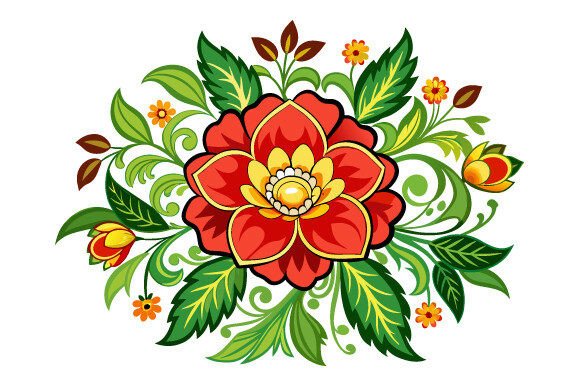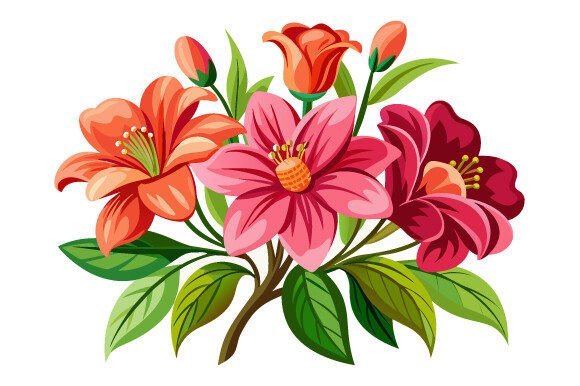
Good Quality Flower on White Background
In the landscape of digital design and creative production, visual assets are not merely decorative elements; they are foundational components of brand identity, user experience, and communication strategy. Among the most versatile and enduring categories of these assets is high-quality botanical imagery. Specifically, a Good Quality Flower on White Background serves as a critical pivot point in many creative workflows. Whether you are a small business owner crafting a logo, an educator designing learning materials, or a marketer preparing social media content, the integration of clean, vector-based floral illustrations offers distinct advantages in terms of scalability, customization, and professional polish.
This article explores how to effectively utilize good quality flower designs on white backgrounds within your daily operations. We will examine the technical benefits of vector formats, discuss strategic applications across various industries, and provide practical advice on integrating these assets into broader design systems without compromising efficiency or aesthetic integrity.
The Strategic Value of Clean Botanical Assets
Before diving into implementation, it is essential to understand why a simple flower illustration on a white background holds such significant value. In design theory, negative space—the area around and between subjects—is just as important as the subject itself. A white background provides maximum contrast and versatility, allowing the floral element to serve as a focal point or a subtle accent depending on the context.
For professionals managing multiple projects, consistency is key. Using a standardized library of high-quality floral assets ensures that your visual language remains cohesive across different mediums. A flower illustration used on a business card should look identical in spirit and quality when scaled up for a billboard or adapted for a website header. This consistency builds trust with your audience, signaling attention to detail and professionalism.
Technical Advantages: Vector-Based Precision
The core utility of modern floral designs lies in their file structure. When we refer to a "good quality" flower design in a professional context, we are almost always referring to vector graphics. Unlike raster images (such as standard JPEGs or PNGs), which are made of pixels and lose quality when enlarged, vector graphics are constructed using mathematical equations defining shapes, lines, and curves.
This distinction is crucial for workflow efficiency. Here is how vector technology enhances your creative process:
- Scalability Without Degradation: You can resize a vector flower from the size of a postage stamp to the size of a building facade without any loss of sharpness. This eliminates the need to source multiple image resolutions for different platforms.
- Color Flexibility: Vector files allow for easy color manipulation. If your brand guidelines change, or if you need to create a monochrome version for a specific print run, you can adjust the colors directly in your software rather than hunting for a new image file.
- Layered Customization: Many professional vector files are organized into layers. This allows you to isolate specific petals, stems, or leaves, enabling you to reconfigure the composition to better fit a layout or remove unwanted elements entirely.
By utilizing designs crafted with 100% vector shapes, you ensure that your final output is crisp, professional, and ready for any production method, from digital screens to large-format printing.
Integration into Creative Workflows
Understanding the asset is only half the battle; knowing how to integrate it into your workflow is where the real value is realized. Below are several scenarios where a good quality flower on a white background can streamline your projects.
Branding and Identity Design
For entrepreneurs and agencies, logos must be adaptable. A floral motif can convey elegance, growth, nature, or freshness. Because the design is vector-based, it can be easily integrated into crest-style logos or used as a standalone icon. The white background allows the flower to be placed over any color field during the mockup phase, helping you visualize how the logo will perform on dark packaging, light websites, or vibrant merchandise.
Print Collateral and Business Cards
When designing business cards or flyers, whitespace is a powerful tool. It guides the eye and prevents visual clutter. A well-composed flower illustration can balance text-heavy layouts, providing a visual anchor. Since these files are typically provided in formats like .AI, .EPS, and .SVG, they are directly compatible with industry-standard software like Adobe Illustrator, InDesign, and Photoshop. This compatibility means you can import the asset, adjust its scale, and export it for print with confidence, knowing the resolution is infinite.
Digital Content and Social Media
In the realm of blogging and digital marketing, speed and consistency matter. Using pre-made, high-quality vector flowers allows creators to produce content rapidly. For instance, you can use the same floral asset across Instagram posts, Pinterest pins, and YouTube thumbnails, simply changing the background color or adding text overlays. The ability to customize colors to suit your preferences ensures that the asset aligns with current seasonal trends or campaign themes without requiring a designer to create a new image from scratch.
File Formats and Compatibility
To maximize the utility of these assets, it is important to understand the specific file formats available and when to use each one. A robust design package typically includes the following:
- .AI (Adobe Illustrator): The native format for vector editing. Use this when you need full access to layers, paths, and editable text. It is ideal for deep customization and primary editing.
- .EPS (Encapsulated PostScript): A widely supported vector format. This is excellent for sending files to printers who may not use Adobe software, as EPS files retain vector data and are compatible with a broad range of design programs.
- .SVG (Scalable Vector Graphics): The gold standard for web design. SVG files are lightweight, scalable, and code-friendly, making them perfect for websites, apps, and interactive graphics. They load quickly and remain sharp on all screen densities.
- .DXF (Drawing Exchange Format): Essential for physical fabrication. If you plan to use a Cricut, Silhouette, or laser cutter to create vinyl decals, stencils, or engraved wood signs, the DXF format is required. It translates the vector shapes into cutting paths.
- .PNG (Portable Network Graphics): A raster format with transparency. While not scalable like vectors, PNGs are useful for quick previews, email signatures, or situations where vector editing software is unavailable. High-resolution PNGs are sufficient for most social media needs.
Having access to all these formats ensures that your floral assets can move seamlessly from the initial concept stage to final production, whether that production is digital or physical.
Best Practices for Implementation
To get the most out of your floral designs, consider the following practical tips:
Maintain Organizational Structure: When importing vector files into your project folders, keep the original source files separate from the exported versions. This preserves the integrity of the editable layers for future modifications. Create a dedicated "Assets" folder for each client or project to avoid confusion.
Check Color Modes: Always verify the color mode before finalizing your work. Digital designs should be in RGB mode to ensure accurate screen representation, while print materials must be converted to CMYK to match ink limitations. Most vector software allows for easy conversion between these modes, but failing to do so can result in dull or unexpected colors in printed outputs.
Respect Proportions: When scaling vector images, hold the shift key (in most software) to maintain aspect ratio. Distorting a flower by stretching it unevenly can ruin the natural aesthetic and make the design look unprofessional. If you need a different proportion, it is often better to select a different variation of the flower from your library.
Utilize Negative Space: Don’t be afraid to let the white background breathe. In minimalist design, less is often more. Allow the intricate details of the flower to stand out by giving them ample room. This approach is particularly effective for luxury branding, wedding invitations, and health-related products.
Long-Term Value and Sustainability
Investing in good quality flower designs is an investment in long-term asset management. Unlike temporary stock photos that may be removed due to licensing issues or become outdated, vector illustrations have a timeless quality. A classic floral design can remain relevant for years, adapting to new trends through simple color tweaks or compositional changes.
Furthermore, the ease of customization reduces waste. Instead of discarding a design because the color is wrong, you can simply update it. This efficiency supports a more sustainable creative practice, saving time and resources. For freelancers and agencies, this also means offering greater value to clients; the ability to provide fully editable, multi-format files empowers clients to manage their own minor updates, fostering a collaborative and efficient relationship.
Conclusion
A good quality flower on a white background is more than just a pretty picture; it is a functional, versatile, and powerful tool in the modern creator’s toolkit. By understanding the technical benefits of vector formats, selecting the right file types for your specific needs, and integrating these assets thoughtfully into your workflows, you can elevate the quality of your designs and streamline your production process.
Whether you are creating a brand identity, preparing marketing materials, or crafting personal projects, leveraging these high-quality assets allows you to focus on strategy and creativity rather than technical limitations. Explore our collection, experiment with the formats, and discover how these designs can enhance your professional output. With the right tools and a clear process, the possibilities for creative expression are virtually limitless.